Upper GI Endoscopy (OGDscopy)
Upper GI Endoscopy, also known as OGDscopy (Oesophago-Gastro-Duodenoscopy), is a safe and commonly performed diagnostic procedure used to examine the upper part of the digestive system. It allows the doctor to closely evaluate the esophagus (food pipe), stomach, and the first part of the small intestine (duodenum).
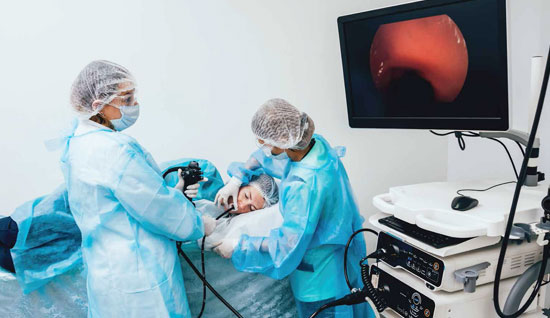
The procedure is performed using a thin, flexible tube called an endoscope that has a small camera and light at its tip. This camera sends clear images to a monitor, allowing the doctor to detect inflammation, ulcers, bleeding, growths, or other abnormalities in the upper digestive tract.
Upper GI Endoscopy is both a diagnostic and sometimes therapeutic procedure, meaning it can help diagnose digestive conditions and also allow certain treatments to be performed during the same procedure.
Why Upper GI Endoscopy is Performed
This procedure is recommended when patients experience persistent symptoms related to the upper digestive system.
- Persistent acidity or heartburn
- Difficulty or pain while swallowing
- Upper abdominal pain
- Unexplained nausea or vomiting
- Blood in vomit or black stools
- Chronic indigestion
- Unexplained weight loss
Conditions That Can Be Diagnosed
Upper GI Endoscopy helps detect several digestive conditions affecting the esophagus, stomach, and duodenum.
- Acid reflux disease (GERD)
- Gastritis or stomach inflammation
- Stomach or duodenal ulcers
- Esophageal inflammation or narrowing
- Upper gastrointestinal bleeding
- Polyps or abnormal growths
- Infections or inflammation in the digestive tract
What to Expect During the Procedure
Upper GI Endoscopy is usually performed as a day-care procedure and typically takes about 10 to 20 minutes.
- The patient is asked to fast for a few hours before the procedure.
- A local anesthetic spray may be used to numb the throat.
- A thin endoscope is gently passed through the mouth into the esophagus and stomach.
- The camera provides clear images of the digestive tract.
- If required, small tissue samples (biopsy) may be taken for further testing.
The procedure is generally well tolerated and patients can usually return home the same day.
Benefits of Upper GI Endoscopy
This procedure offers several advantages for accurate diagnosis and timely treatment.
- Provides a direct view of the upper digestive tract
- Helps diagnose conditions at an early stage
- Allows tissue biopsy for accurate diagnosis
- Helps identify the source of bleeding
- Can assist in performing certain treatments during the same procedure
When to Seek Medical Advice
Medical consultation is recommended if you experience persistent symptoms affecting the upper digestive system.
- Frequent acidity or heartburn
- Difficulty swallowing food
- Persistent upper abdominal pain
- Blood in vomit or dark stools
- Unexplained weight loss or appetite changes
Early evaluation with Upper GI Endoscopy can help diagnose digestive problems accurately and guide appropriate treatment.