ERCP
ERCP (Endoscopic Retrograde Cholangiopancreatography) is an advanced endoscopic procedure used to diagnose and treat conditions affecting the bile ducts, pancreas, and gallbladder. It combines the use of endoscopy and specialized imaging to closely examine these structures and address certain problems during the same procedure.
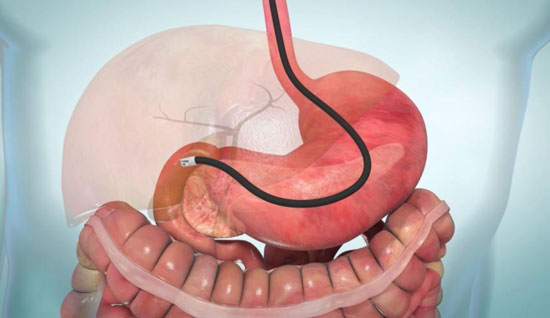
During ERCP, a flexible endoscope is passed through the mouth, esophagus, and stomach into the first part of the small intestine (duodenum). A special contrast dye is then injected into the bile ducts or pancreatic ducts, and X-ray imaging is used to identify blockages, stones, narrowing, or other abnormalities.
ERCP is not only used for diagnosis but also allows doctors to perform treatments such as removing bile duct stones, placing stents, or relieving blockages in the bile or pancreatic ducts.
Why ERCP is Performed
This procedure may be recommended when symptoms or tests suggest problems in the bile ducts, pancreas, or gallbladder.
- Persistent jaundice
- Bile duct stones
- Blocked bile ducts
- Unexplained abdominal pain
- Pancreatic duct problems
- Evaluation of abnormal imaging reports
- Investigation of bile duct or pancreatic disorders
Conditions That Can Be Diagnosed or Treated
ERCP helps diagnose and treat several conditions related to the bile ducts and pancreas.
- Bile duct stones (choledocholithiasis)
- Narrowing of bile ducts (biliary strictures)
- Pancreatitis related to duct obstruction
- Bile duct infections
- Tumors affecting bile or pancreatic ducts
- Leakage from bile ducts after surgery
What to Expect During the Procedure
ERCP is usually performed as a day-care procedure and typically takes about 30 to 60 minutes depending on the complexity of the condition.
- The patient is asked to fast for several hours before the procedure.
- Sedation is usually given to ensure comfort during the procedure.
- The endoscope is gently passed through the mouth into the digestive tract.
- A special dye is injected into the bile or pancreatic ducts for X-ray imaging.
- If required, stones may be removed or stents may be placed to relieve blockages.
After the procedure, the patient is monitored for a short period and can usually return home the same day.
Benefits of ERCP
ERCP provides several important benefits in the diagnosis and treatment of biliary and pancreatic conditions.
- Helps diagnose problems in bile and pancreatic ducts
- Allows treatment during the same procedure
- Removes bile duct stones without major surgery
- Relieves duct blockages with stent placement
- Provides accurate evaluation of pancreatic and biliary disorders
When to Seek Medical Advice
Medical consultation may be recommended if symptoms suggest problems related to the bile ducts or pancreas.
- Yellowing of the skin or eyes (jaundice)
- Persistent upper abdominal pain
- Dark urine or pale stools
- Unexplained pancreatitis
- Abnormal liver function tests
Early evaluation and treatment with ERCP can help manage biliary and pancreatic conditions effectively and prevent potential complications.