Irritable Bowel Syndrome
Irritable Bowel Syndrome (IBS) is a common digestive disorder that affects the large intestine. It is a functional gastrointestinal condition, meaning the digestive tract appears normal but does not function properly. IBS can cause a variety of symptoms such as abdominal pain, bloating, and changes in bowel habits.
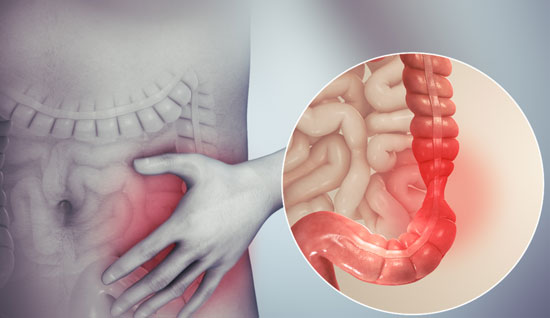
Although IBS is a long-term condition, it does not cause permanent damage to the intestines. With proper medical care, dietary adjustments, and lifestyle modifications, most individuals can successfully manage their symptoms and lead a comfortable life.
Common Symptoms of IBS
Symptoms of Irritable Bowel Syndrome may vary from person to person and may come and go over time.
- Abdominal pain or cramping
- Bloating and excessive gas
- Frequent diarrhea
- Constipation
- Alternating diarrhea and constipation
- Mucus in stools
Symptoms may worsen during periods of stress or after consuming certain foods.
Possible Causes
The exact cause of IBS is not fully understood, but several factors may contribute to its development.
- Abnormal intestinal muscle contractions
- Increased sensitivity of the digestive tract
- Stress or emotional factors
- Food intolerances
- Changes in gut bacteria
- Previous intestinal infections
Diagnosis
Diagnosis of IBS involves evaluating symptoms and ruling out other digestive conditions.
- Detailed medical history and clinical examination
- Blood tests to rule out infections or inflammation
- Stool tests if required
- Colonoscopy or other tests when necessary
These evaluations help confirm the diagnosis and exclude other gastrointestinal diseases.
Treatment Options
Management of IBS focuses on controlling symptoms and improving digestive function.
- Medications to relieve abdominal pain and regulate bowel movements
- Dietary modifications
- Probiotics to support gut health
- Stress management techniques
- Regular medical follow-up
Diet and Lifestyle Tips
Healthy lifestyle habits can help reduce IBS symptoms and improve overall digestive health.
- Maintain regular meal timings
- Increase fiber intake gradually
- Avoid foods that trigger symptoms
- Drink adequate water
- Exercise regularly
- Manage stress through relaxation techniques
When to Seek Medical Advice
Medical consultation is important if digestive symptoms persist or worsen.
- Persistent abdominal pain
- Unexplained weight loss
- Blood in stools
- Severe diarrhea or constipation
- Symptoms that interfere with daily activities
Early medical evaluation can help identify the cause of symptoms and ensure effective management of Irritable Bowel Syndrome.