Sigmoidoscopy
Sigmoidoscopy is a diagnostic procedure used to examine the lower part of the large intestine, specifically the sigmoid colon and rectum. It helps doctors identify abnormalities in the lower gastrointestinal tract and diagnose conditions affecting bowel health.
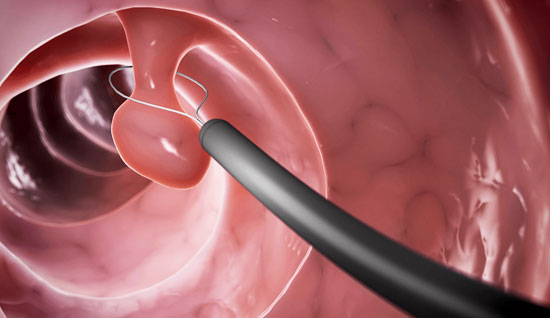
The procedure is performed using a thin, flexible tube called a sigmoidoscope, which has a small camera and light attached to its tip. The camera allows clear visualization of the lining of the rectum and sigmoid colon, helping detect inflammation, polyps, bleeding, ulcers, or other abnormalities.
Sigmoidoscopy is often recommended to evaluate symptoms affecting the lower digestive tract and may also be used to collect tissue samples (biopsy) for further analysis.
Why Sigmoidoscopy is Performed
This procedure may be recommended when patients experience symptoms related to the lower intestine.
- Blood in stools
- Persistent rectal bleeding
- Chronic diarrhea or constipation
- Lower abdominal pain
- Changes in bowel habits
- Evaluation of rectal or colon inflammation
- Screening for polyps in the lower colon
Conditions That Can Be Diagnosed
Sigmoidoscopy helps diagnose several conditions affecting the rectum and sigmoid colon.
- Colon polyps
- Ulcerative colitis
- Inflammation of the rectum or colon
- Sources of rectal bleeding
- Infections affecting the colon
- Early signs of colorectal cancer
- Diverticular disease in the lower colon
What to Expect During the Procedure
Sigmoidoscopy is usually a short procedure and typically takes around 10 to 20 minutes.
- The patient may be advised to perform bowel preparation before the procedure.
- The sigmoidoscope is gently inserted through the rectum.
- The camera provides clear images of the rectum and sigmoid colon.
- If required, tissue samples may be taken for biopsy.
- The procedure is generally well tolerated and may not require sedation in many cases.
Patients can usually return to normal activities shortly after the procedure.
Benefits of Sigmoidoscopy
Sigmoidoscopy offers several advantages for evaluating conditions of the lower digestive tract.
- Helps diagnose causes of rectal bleeding
- Allows direct examination of the lower colon
- Helps detect polyps or abnormal growths
- Allows biopsy for accurate diagnosis
- Supports early detection of serious bowel conditions
When to Seek Medical Advice
Consultation may be recommended if you experience symptoms affecting the lower digestive tract.
- Blood or mucus in stools
- Persistent rectal bleeding
- Unexplained changes in bowel habits
- Chronic constipation or diarrhea
- Persistent lower abdominal discomfort
Early evaluation with sigmoidoscopy can help identify digestive problems and support timely diagnosis and treatment.