Fatty Liver
Fatty liver is a condition in which excess fat accumulates in the liver cells. In its early stages, fatty liver may not cause noticeable symptoms, but if left untreated, it can progress and lead to inflammation or damage to the liver.
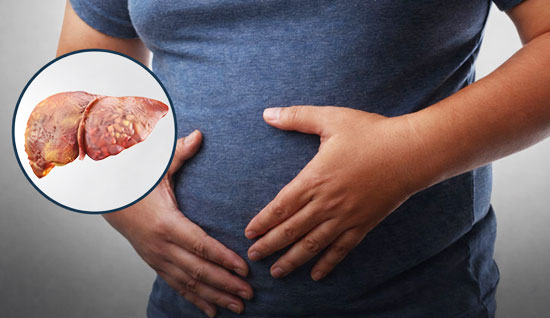
Fatty liver disease is increasingly common due to modern lifestyle factors such as unhealthy diet, lack of exercise, obesity, and metabolic disorders. Early detection and appropriate management can help prevent complications and improve liver health.
What Causes Fatty Liver?
Fatty liver can develop due to several lifestyle and medical factors that affect the body's ability to process fats properly.
Common causes include:
- Overweight or obesity
- High cholesterol levels
- Diabetes or insulin resistance
- Poor dietary habits
- Lack of regular physical activity
- Excessive alcohol consumption
- Certain medications
Common Symptoms of Fatty Liver
Many individuals with fatty liver may not experience symptoms in the early stages. However, some people may notice:
- Fatigue or low energy levels
- Discomfort or mild pain in the upper abdomen
- Unexplained weight gain
- Loss of appetite
- General feeling of weakness
Since symptoms may be mild or absent, regular health check-ups can help detect fatty liver early.
Diagnosis
Fatty liver is often diagnosed through routine medical evaluation and imaging tests. Diagnostic assessment may include:
- Medical history and clinical examination
- Blood tests to evaluate liver function
- Ultrasound of the abdomen to detect fat accumulation in the liver
- Additional imaging or tests if further evaluation is needed
These tests help determine the presence and severity of fatty liver disease.
Treatment Options
Treatment for fatty liver mainly focuses on lifestyle changes and managing underlying health conditions.
- Weight management and healthy diet
- Control of diabetes and cholesterol
- Medications when required
- Regular monitoring of liver health
- Management of associated metabolic conditions
Lifestyle Changes for Better Liver Health
Healthy lifestyle habits play a major role in reversing or controlling fatty liver disease.
- Follow a balanced and nutritious diet
- Exercise regularly
- Maintain a healthy body weight
- Limit consumption of processed and fatty foods
- Avoid excessive alcohol intake
- Maintain regular medical check-ups
When to Seek Medical Advice
Medical consultation is recommended if fatty liver is suspected or if symptoms persist.
- Persistent fatigue or weakness
- Upper abdominal discomfort
- Abnormal liver function tests
- Unexplained weight gain
- Risk factors such as obesity or diabetes
Early diagnosis and proper management can help prevent liver damage and improve overall health.
With timely medical care, dietary improvements, and lifestyle changes, fatty liver disease can often be controlled and, in many cases, reversed, allowing individuals to maintain healthy liver function.