GI Bleeding
Gastrointestinal (GI) bleeding refers to bleeding that occurs anywhere in the digestive tract, including the esophagus, stomach, small intestine, or large intestine. It may present as blood in stools, black or tarry stools, or vomiting blood. GI bleeding can range from mild to severe and requires proper medical evaluation.
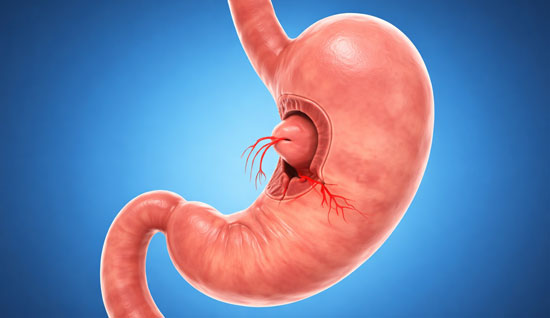
In some cases, GI bleeding may be caused by minor conditions such as hemorrhoids, while in other situations it may indicate ulcers, inflammation, or other digestive disorders. Early diagnosis is important to identify the cause and prevent complications.
Common Causes of GI Bleeding
GI bleeding can occur due to several conditions affecting the digestive tract.
Common causes include:
- Peptic ulcers in the stomach or duodenum
- Gastritis or inflammation of the stomach lining
- Hemorrhoids or anal fissures
- Esophageal varices
- Inflammatory bowel diseases
- Polyps or tumors in the digestive tract
- Severe infections or intestinal inflammation
Symptoms of GI Bleeding
The symptoms of gastrointestinal bleeding can vary depending on the location and severity of bleeding.
- Blood in stools
- Black or tarry stools
- Vomiting blood
- Abdominal pain or discomfort
- Weakness or fatigue
- Dizziness or lightheadedness
Any signs of bleeding from the digestive tract should be evaluated promptly by a medical professional.
Diagnosis
Accurate diagnosis helps determine the source and cause of GI bleeding. Evaluation may include:
- Clinical examination and medical history
- Blood tests to check for anemia or infection
- Upper GI endoscopy to examine the esophagus, stomach, and duodenum
- Colonoscopy to evaluate the large intestine
- Imaging tests if further assessment is required
These investigations help identify the exact source of bleeding and guide appropriate treatment.
Treatment Options
Treatment for GI bleeding depends on the underlying cause and severity of the condition.
- Medications to control bleeding and reduce stomach acid
- Endoscopic procedures to stop active bleeding
- Treatment of ulcers or infections
- Management of hemorrhoids or fissures
- Hospital care in severe cases
When to Seek Immediate Medical Care
GI bleeding can sometimes become serious. Immediate medical attention is necessary if you experience:
- Large amounts of blood in stools
- Vomiting blood
- Severe dizziness or fainting
- Black, tarry stools
- Severe abdominal pain
Prompt diagnosis and treatment can help control bleeding and prevent complications.
With timely medical care and appropriate treatment, most causes of GI bleeding can be effectively managed, ensuring better digestive health and overall well-being.