Bloating
Bloating is a common digestive problem that causes a feeling of fullness, tightness, or swelling in the abdomen. Many people experience bloating occasionally, especially after eating heavy meals or certain foods that are difficult to digest. While occasional bloating is usually harmless, frequent or persistent bloating may indicate an underlying digestive issue.
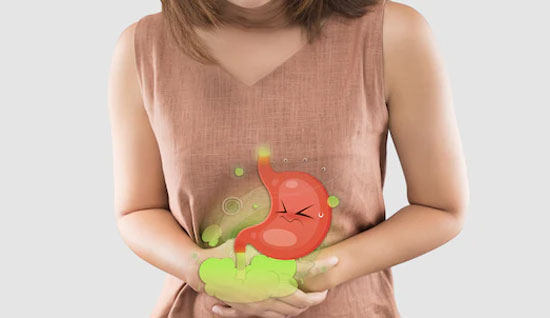
Bloating can make the abdomen feel uncomfortable and may sometimes be associated with gas, indigestion, or changes in bowel habits. Proper medical evaluation can help identify the cause and provide effective relief.
What Causes Bloating?
Bloating usually occurs when excess gas builds up in the digestive system or when digestion slows down. Several dietary habits and medical conditions can contribute to this problem.
Common causes include:
- Overeating or eating too quickly
- Consumption of gas-producing foods
- Food intolerances
- Constipation
- Swallowing excess air while eating or drinking
- Poor digestion
- Certain gastrointestinal conditions
Common Symptoms of Bloating
The symptoms of bloating may vary in intensity depending on the cause. Common symptoms include:
- Feeling of fullness in the abdomen
- Abdominal swelling or tightness
- Excessive gas or flatulence
- Frequent burping
- Mild abdominal discomfort or cramps
- Heaviness after meals
If bloating occurs regularly or is associated with other digestive symptoms, medical evaluation is recommended.
Diagnosis
A detailed medical assessment helps determine the underlying cause of bloating. The diagnosis may include:
- Clinical evaluation and review of dietary habits
- Blood tests to check digestive health
- Ultrasound or imaging tests if required
- Endoscopy or colonoscopy in selected cases
These tests help identify any digestive disorders and guide appropriate treatment.
Treatment Options
Treatment for bloating focuses on identifying the cause and improving digestive function. Management may include:
- Medications to reduce gas formation
- Digestive enzyme supplements
- Dietary modifications
- Treatment of underlying digestive conditions
- Guidance on healthy eating habits
Lifestyle Changes to Reduce Bloating
Simple lifestyle adjustments can help reduce bloating and improve digestive comfort:
- Eat smaller meals at regular intervals
- Avoid eating too quickly
- Limit gas-producing foods
- Drink adequate water throughout the day
- Engage in regular physical activity
- Maintain a balanced and fiber-rich diet
When to Seek Medical Advice
Although bloating is common, medical consultation is important if symptoms become persistent or severe. Seek medical advice if you experience:
- Frequent or severe abdominal bloating
- Persistent abdominal pain
- Unexplained weight loss
- Changes in bowel habits
- Nausea or vomiting along with bloating
Early evaluation can help detect the cause and ensure timely treatment.
With proper medical guidance and healthy lifestyle habits, bloating can be effectively managed, helping individuals maintain better digestive comfort and overall well-being.