EUS
Endoscopic Ultrasound (EUS) is an advanced diagnostic procedure that combines endoscopy and ultrasound technology to obtain detailed images of the digestive tract and surrounding organs. It helps doctors closely evaluate structures such as the esophagus, stomach, pancreas, bile ducts, and nearby lymph nodes.
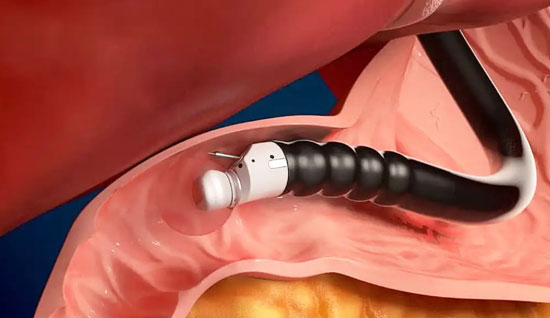
During the procedure, a thin flexible endoscope with a small ultrasound probe at its tip is passed through the mouth into the digestive tract. The ultrasound waves create detailed images of the internal organs and tissues, allowing accurate assessment of conditions affecting the gastrointestinal system and nearby structures.
EUS is particularly useful for diagnosing pancreatic diseases, evaluating bile duct problems, detecting tumors, and guiding fine needle aspiration (FNA) for biopsy when needed.
Why EUS is Performed
This procedure may be recommended when detailed imaging of the digestive organs or surrounding tissues is required.
- Evaluation of pancreatic disorders
- Assessment of bile duct abnormalities
- Detection of gastrointestinal tumors
- Investigation of unexplained abdominal pain
- Evaluation of abnormal imaging findings
- Assessment of enlarged lymph nodes
- Guidance for biopsy or tissue sampling
Conditions That Can Be Diagnosed
EUS helps detect and evaluate several conditions affecting the digestive tract and nearby organs.
- Pancreatic cysts or tumors
- Chronic pancreatitis
- Bile duct stones or strictures
- Gastrointestinal tumors
- Submucosal lesions in the digestive tract
- Enlarged lymph nodes
- Staging of gastrointestinal cancers
What to Expect During the Procedure
EUS is usually performed as a day-care procedure and generally takes around 30 to 60 minutes.
- The patient is asked to fast for several hours before the procedure.
- Sedation is usually given to ensure comfort.
- The endoscope with the ultrasound probe is gently passed through the mouth into the digestive tract.
- Ultrasound images provide detailed views of nearby organs and tissues.
- If required, fine needle aspiration (FNA) may be performed to collect tissue samples.
After the procedure, patients are monitored briefly and can usually return home the same day.
Benefits of EUS
Endoscopic Ultrasound offers several advantages for accurate diagnosis and evaluation of digestive diseases.
- Provides highly detailed images of digestive organs
- Helps detect small abnormalities not visible on other imaging tests
- Allows precise staging of gastrointestinal cancers
- Guides biopsy procedures safely
- Helps diagnose pancreatic and biliary disorders effectively
When to Seek Medical Advice
Consultation may be recommended if symptoms or tests suggest abnormalities in the digestive tract or nearby organs.
- Persistent upper abdominal pain
- Unexplained weight loss
- Abnormal findings on CT scan or ultrasound
- Suspected pancreatic or bile duct disorders
- Evaluation of gastrointestinal tumors
Early evaluation with Endoscopic Ultrasound can help detect conditions accurately and guide appropriate treatment decisions.