Acidity
Acidity is one of the most common digestive problems experienced by people of all ages. It occurs when the stomach produces excess acid, leading to irritation of the stomach lining and discomfort in the digestive system. Acidity can cause symptoms such as burning sensation in the chest, sour taste in the mouth, bloating, and indigestion.
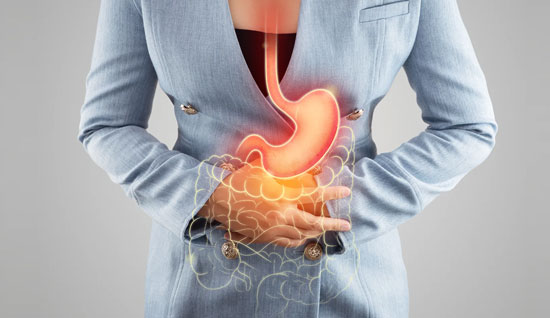
Occasional acidity may happen after eating spicy or heavy meals, but frequent episodes may indicate an underlying digestive issue that requires proper medical evaluation and treatment.
What Causes Acidity?
Acidity is usually caused by excessive production of gastric acid in the stomach. Certain lifestyle habits, dietary choices, and medical conditions can increase the risk of acidity.
Common causes include:
- Eating spicy, oily, or fried foods
- Irregular meal timings
- Overeating or heavy meals
- Excessive consumption of tea, coffee, or carbonated drinks
- Smoking and alcohol intake
- Stress and lack of proper sleep
- Certain medications
Common Symptoms of Acidity
The symptoms of acidity may vary from person to person, but some of the most commonly experienced symptoms include:
- Burning sensation in the chest or upper abdomen
- Sour or acidic taste in the mouth
- Bloating and gas
- Frequent burping
- Nausea or discomfort after meals
- Indigestion
- Feeling of fullness in the stomach
If these symptoms occur frequently or become severe, it is important to seek medical advice.
Diagnosis
A thorough medical evaluation helps identify the cause and severity of acidity. Depending on the symptoms and medical history, diagnostic tests may include:
- Upper GI Endoscopy to examine the stomach and esophagus
- Blood tests to assess overall digestive health
- Imaging tests if required for further evaluation
These tests help determine the exact cause of symptoms and guide appropriate treatment.
Treatment Options
Treatment for acidity focuses on reducing excess acid production and improving digestive function. Management may include:
- Medications to reduce stomach acid
- Medicines to improve digestion
- Dietary guidance and lifestyle modifications
- Management of underlying digestive conditions
- Regular follow-up in chronic cases
Lifestyle Changes to Prevent Acidity
Adopting healthy lifestyle habits can significantly reduce acidity and improve digestive health:
- Eat meals at regular intervals
- Avoid spicy, oily, and fried foods
- Reduce caffeine and carbonated beverages
- Eat smaller portions and avoid overeating
- Maintain a healthy body weight
- Avoid lying down immediately after meals
- Manage stress through regular exercise and relaxation techniques
When to Seek Medical Advice
Although occasional acidity is common, persistent symptoms should not be ignored. Medical consultation is recommended if you experience:
- Frequent or severe acidity
- Persistent stomach discomfort
- Difficulty swallowing
- Unexplained weight loss
- Vomiting or blood in vomit
Timely diagnosis and proper treatment can help prevent complications and improve overall digestive health.
With appropriate medical care and healthy lifestyle practices, acidity can be effectively managed, allowing individuals to maintain a comfortable and healthy digestive system.