Hemoclip Application for GI Bleeding
Hemoclip Application is an endoscopic procedure used to control bleeding within the gastrointestinal (GI) tract. During this procedure, small metallic clips, known as hemoclips, are placed on bleeding blood vessels or damaged tissue to stop bleeding effectively.
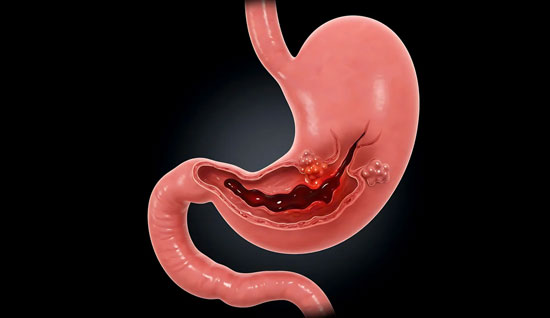
The procedure is usually performed during an upper GI endoscopy or colonoscopy. Using a flexible endoscope, the doctor can locate the source of bleeding and place the clip directly on the affected vessel or tissue. The clip mechanically closes the vessel, helping to stop bleeding and promote healing.
Hemoclip application is a minimally invasive and highly effective technique widely used in the management of gastrointestinal bleeding.
Why Hemoclip Application is Performed
This procedure is recommended to control or prevent bleeding within the digestive tract.
- Control active gastrointestinal bleeding
- Treatment of bleeding ulcers
- Management of bleeding after polyp removal
- Treatment of bleeding lesions in the digestive tract
- Prevention of recurrent bleeding
Conditions That May Require Hemoclip Application
Hemoclip therapy may be used to manage several gastrointestinal conditions.
- Bleeding peptic ulcers
- Gastrointestinal bleeding
- Post-polypectomy bleeding
- Bleeding tumors in the digestive tract
- Vascular lesions or abnormal blood vessels
What to Expect During the Procedure
Hemoclip application is performed during an endoscopic examination and usually takes a short time.
- The patient may be asked to fast before the procedure.
- Mild sedation is provided to ensure comfort.
- An endoscope is passed through the mouth or rectum depending on the location of bleeding.
- The source of bleeding is identified.
- A small metal clip is placed on the bleeding vessel to stop the bleeding.
After the procedure, the clip remains in place and usually falls off naturally once the tissue heals.
Benefits of Hemoclip Application
This technique offers several advantages in the management of gastrointestinal bleeding.
- Quick and effective control of bleeding
- Minimally invasive endoscopic treatment
- Precise placement on bleeding vessels
- Reduces the need for surgical intervention
- Promotes faster recovery
When to Seek Medical Attention
Immediate medical evaluation is important if symptoms suggest gastrointestinal bleeding.
- Vomiting blood
- Black or tarry stools
- Blood in stools
- Severe weakness or dizziness
- Unexplained anemia
Early diagnosis and timely treatment of gastrointestinal bleeding can help prevent serious complications and improve overall health outcomes.