Crohn’s Disease
Crohn’s disease is a chronic inflammatory condition that affects the digestive tract. It is a type of inflammatory bowel disease (IBD) that can involve any part of the gastrointestinal tract, from the mouth to the anus, but most commonly affects the small intestine and the beginning of the large intestine.
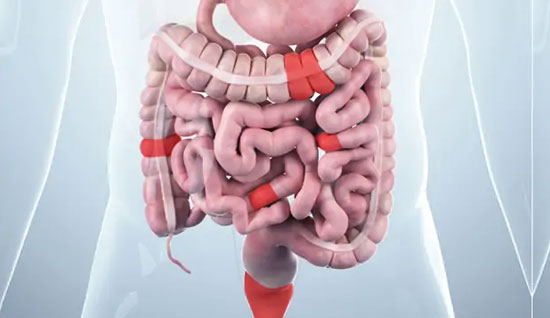
The condition causes inflammation of the digestive tract, which can lead to abdominal pain, diarrhea, fatigue, and weight loss. Crohn’s disease is a long-term condition that requires proper medical care and ongoing management to control symptoms and prevent complications.
What Causes Crohn’s Disease?
The exact cause of Crohn’s disease is not fully understood, but it is believed to result from a combination of immune system, genetic, and environmental factors that trigger inflammation in the digestive tract.
Possible contributing factors include:
- Abnormal immune system response
- Genetic predisposition
- Environmental factors
- Certain infections
- Smoking and lifestyle habits
Common Symptoms of Crohn’s Disease
The symptoms of Crohn’s disease can vary depending on the part of the digestive tract affected and the severity of inflammation.
- Persistent diarrhea
- Abdominal pain and cramping
- Fatigue and weakness
- Weight loss
- Loss of appetite
- Blood in stools
- Fever during flare-ups
Symptoms may occur in periods of flare-ups followed by periods of remission.
Diagnosis
Early and accurate diagnosis is important for effective management of Crohn’s disease. A thorough evaluation may include:
- Medical history and clinical examination
- Blood tests to detect inflammation and nutritional deficiencies
- Stool tests to rule out infections
- Colonoscopy or endoscopy to examine the digestive tract
- Imaging studies such as CT scan or MRI if required
These tests help determine the location and severity of inflammation and guide treatment planning.
Treatment Options
Although Crohn’s disease cannot be completely cured, proper treatment can help control inflammation, reduce symptoms, and maintain long-term remission.
- Medications to reduce inflammation
- Immune system regulating medicines
- Nutritional support and dietary guidance
- Treatment of complications if present
- Regular monitoring and follow-up care
Lifestyle and Dietary Management
Proper diet and lifestyle habits play an important role in managing Crohn’s disease and reducing flare-ups.
- Follow a balanced and easily digestible diet
- Avoid foods that trigger symptoms
- Stay well hydrated
- Manage stress effectively
- Avoid smoking
- Maintain regular medical follow-ups
When to Seek Medical Advice
Medical consultation is important if you experience symptoms that may indicate Crohn’s disease.
- Persistent diarrhea lasting several weeks
- Severe abdominal pain
- Unexplained weight loss
- Blood in stools
- Fatigue and weakness
Early diagnosis and proper treatment can help control the condition and prevent complications.
With appropriate medical care, lifestyle adjustments, and regular monitoring, many individuals with Crohn’s disease are able to manage their symptoms effectively and maintain a good quality of life.