Hepatitis
Hepatitis refers to inflammation of the liver, which can affect the liver’s ability to perform its important functions such as filtering toxins, processing nutrients, and producing essential proteins. Hepatitis can occur due to viral infections, alcohol use, certain medications, or autoimmune conditions.
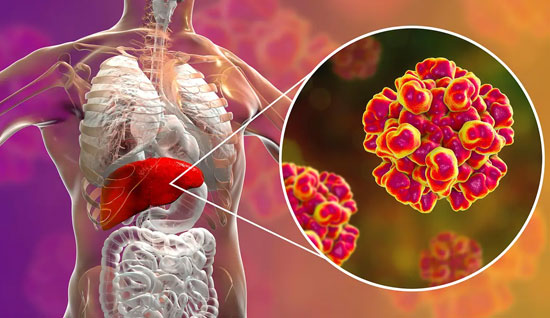
The condition can range from mild and temporary to more serious forms that may cause long-term liver damage if left untreated. Early diagnosis and appropriate medical care play a crucial role in preventing complications and maintaining liver health.
Common Causes of Hepatitis
Hepatitis can develop due to various infectious and non-infectious causes.
Common causes include:
- Viral infections such as Hepatitis A, B, C, D, and E
- Excessive alcohol consumption
- Certain medications or toxins
- Autoimmune liver diseases
- Metabolic disorders affecting the liver
- Contaminated food or water in some types of hepatitis
Symptoms of Hepatitis
Symptoms may vary depending on the type and severity of hepatitis. In some cases, individuals may not experience noticeable symptoms in the early stages.
- Fatigue and weakness
- Loss of appetite
- Nausea or vomiting
- Abdominal discomfort
- Dark-colored urine
- Yellowing of the skin and eyes (jaundice)
If these symptoms appear, medical evaluation is recommended to determine the underlying cause.
Diagnosis
Proper diagnosis helps identify the type and severity of hepatitis and guides effective treatment.
- Medical history and clinical examination
- Blood tests to assess liver function
- Viral hepatitis screening tests
- Ultrasound or imaging studies of the liver
- Additional tests if further evaluation is needed
These tests help determine the cause and extent of liver inflammation.
Treatment Options
Treatment for hepatitis depends on the type and severity of the condition. Management may include:
- Medications to treat viral hepatitis
- Supportive care and symptom management
- Regular monitoring of liver function
- Management of underlying conditions
- Dietary and lifestyle modifications
Preventive Measures
Taking preventive steps can help reduce the risk of hepatitis and protect liver health.
- Vaccination for Hepatitis A and B
- Maintaining proper hygiene
- Avoiding contaminated food and water
- Limiting alcohol consumption
- Safe medical and hygiene practices
When to Seek Medical Advice
Medical consultation is important if symptoms suggest liver inflammation or infection.
- Persistent fatigue or weakness
- Yellowing of the skin or eyes
- Dark urine or pale stools
- Loss of appetite
- Abdominal discomfort
Early diagnosis and timely treatment can help prevent complications and protect long-term liver health.