Jaundice
Jaundice is a medical condition characterized by yellowing of the skin, eyes, and mucous membranes. It occurs when there is an increased level of bilirubin, a yellow pigment produced during the normal breakdown of red blood cells, in the bloodstream. Jaundice is often a sign of an underlying problem related to the liver, gallbladder, or bile ducts.
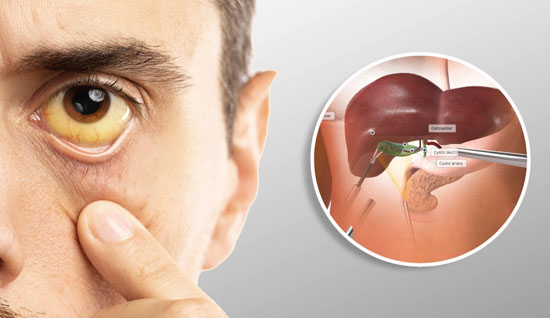
While jaundice itself is a symptom rather than a disease, it can indicate several medical conditions that affect the liver or the body's ability to process bilirubin. Early medical evaluation is important to identify the underlying cause and begin appropriate treatment.
Common Causes of Jaundice
Jaundice can develop due to several conditions affecting the liver or bile ducts.
Common causes include:
- Liver infections such as hepatitis
- Liver inflammation or liver disease
- Gallstones blocking the bile ducts
- Excessive alcohol consumption
- Certain medications affecting liver function
- Conditions that increase breakdown of red blood cells
Symptoms Associated with Jaundice
In addition to yellowing of the skin and eyes, individuals with jaundice may experience other symptoms depending on the underlying cause.
- Yellow discoloration of skin and eyes
- Dark-colored urine
- Pale or clay-colored stools
- Fatigue and weakness
- Loss of appetite
- Abdominal discomfort
- Nausea or vomiting
Diagnosis
Diagnosing the cause of jaundice requires careful evaluation and appropriate investigations.
- Medical history and physical examination
- Blood tests to evaluate liver function and bilirubin levels
- Ultrasound of the abdomen to examine the liver and bile ducts
- Additional imaging tests if further evaluation is required
These tests help determine the underlying condition responsible for jaundice.
Treatment Options
Treatment for jaundice focuses on addressing the underlying cause responsible for the condition.
- Medications to treat infections or liver inflammation
- Management of gallstones or bile duct blockage
- Supportive care to improve liver function
- Dietary and lifestyle modifications
- Regular monitoring of liver health
When to Seek Medical Advice
Medical consultation is important if symptoms of jaundice appear or worsen.
- Yellowing of the skin or eyes
- Persistent fatigue or weakness
- Dark urine or pale stools
- Abdominal pain or swelling
- Loss of appetite or nausea
Early diagnosis and timely treatment can help identify the cause of jaundice and prevent potential complications affecting liver health.