Anal Fissures
An anal fissure is a small tear or cut in the lining of the anus, which can cause significant pain and discomfort during bowel movements. It is a common condition that can affect people of all ages and is often associated with constipation, passing hard stools, or straining during bowel movements.
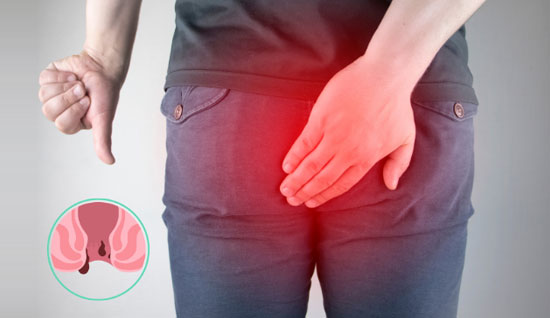
Although anal fissures are usually not serious, they can cause intense pain and bleeding if left untreated. Early diagnosis and appropriate treatment can help relieve symptoms and promote proper healing.
What Causes Anal Fissures?
Anal fissures typically occur when the delicate lining of the anal canal is stretched or injured. This may happen due to increased pressure during bowel movements or irritation of the anal area.
Common causes include:
- Passing hard or large stools
- Chronic constipation
- Frequent diarrhea
- Straining during bowel movements
- Low fiber diet
- Dehydration
- Inflammation or infection in the anal region
Common Symptoms of Anal Fissures
The symptoms of an anal fissure are often noticeable and may include:
- Sharp pain during or after bowel movements
- Bright red blood on toilet paper or in stools
- Burning or itching around the anal area
- Visible crack or tear near the anus
- Spasm of the anal muscles
- Discomfort while sitting
If these symptoms persist for more than a few days, medical consultation is recommended.
Diagnosis
Anal fissures are usually diagnosed through a clinical evaluation and examination of the anal area. In some cases, further tests may be recommended to rule out other conditions.
- Physical examination of the anal region
- Anoscopy or proctoscopy to examine the anal canal
- Colonoscopy if other digestive conditions are suspected
These tests help identify the cause of symptoms and determine the most appropriate treatment approach.
Treatment Options
Most anal fissures can heal with proper medical treatment and lifestyle changes. The main goal of treatment is to reduce pain, promote healing, and prevent recurrence.
- Medications and ointments to relieve pain and promote healing
- Stool softeners to prevent constipation
- Dietary changes to improve bowel habits
- Warm sitz baths to relax the anal muscles
- Advanced procedures if the fissure becomes chronic
Lifestyle Changes That Help Prevent Anal Fissures
Healthy bowel habits and lifestyle adjustments can help reduce the risk of developing anal fissures:
- Eat a high-fiber diet including fruits, vegetables, and whole grains
- Drink plenty of water throughout the day
- Avoid straining during bowel movements
- Maintain regular bowel habits
- Exercise regularly to support digestive health
- Seek treatment for constipation early
When to Seek Medical Advice
While mild fissures may heal with simple measures, medical attention should be sought if symptoms persist or worsen. It is important to consult a specialist if you experience:
- Severe pain during bowel movements
- Persistent bleeding from the anal region
- Chronic constipation with pain
- Symptoms lasting for more than a few weeks
- Recurring anal fissures
Early diagnosis and proper treatment can help prevent complications and ensure faster recovery.
With appropriate medical care and healthy lifestyle habits, most anal fissures can heal effectively, allowing individuals to return to normal daily activities without discomfort.