Difficulty in Swallowing
Difficulty in swallowing, medically known as dysphagia, refers to the sensation of food or liquids getting stuck in the throat or chest while swallowing. It can make eating and drinking uncomfortable and may sometimes cause pain or choking.
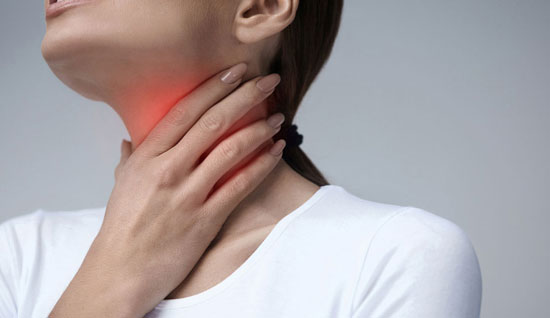
Occasional swallowing difficulty may occur due to throat irritation or infections, but persistent symptoms should not be ignored as they may indicate an underlying digestive or esophageal condition.
What Causes Difficulty in Swallowing?
Difficulty in swallowing can occur when there is a problem in the throat, esophagus, or digestive tract that interferes with the normal swallowing process.
Common causes include:
- Acid reflux or gastroesophageal reflux disease (GERD)
- Inflammation of the esophagus
- Narrowing of the esophagus
- Esophageal motility disorders
- Esophageal infections
- Benign growths or structural abnormalities
- Neurological conditions affecting swallowing
Common Symptoms
People experiencing difficulty in swallowing may notice the following symptoms:
- Sensation of food getting stuck in the throat or chest
- Pain while swallowing
- Frequent choking while eating
- Unexplained weight loss
- Heartburn or acid reflux
- Coughing or regurgitation of food
If swallowing difficulties occur frequently or worsen over time, medical evaluation is important.
Diagnosis
A detailed medical evaluation helps identify the cause of swallowing difficulty and determine the most appropriate treatment.
- Clinical examination and medical history review
- Upper GI endoscopy to examine the esophagus and stomach
- Barium swallow test to evaluate swallowing function
- Imaging tests if further evaluation is required
These investigations help detect structural or functional abnormalities affecting swallowing.
Treatment Options
Treatment depends on the underlying cause of swallowing difficulty. Management may include:
- Medications to reduce inflammation or acid reflux
- Treatment for infections or underlying conditions
- Endoscopic procedures if narrowing of the esophagus is present
- Dietary guidance and swallowing modifications
- Regular monitoring and follow-up care
Lifestyle and Dietary Tips
Simple lifestyle changes may help reduce swallowing discomfort and improve digestive health:
- Eat slowly and chew food thoroughly
- Avoid very large bites of food
- Choose softer and easily digestible foods
- Avoid very spicy or acidic foods if they trigger symptoms
- Maintain proper hydration
- Avoid lying down immediately after meals
When to Seek Medical Advice
Medical consultation is recommended if swallowing difficulties persist or are associated with other symptoms.
- Persistent difficulty swallowing
- Frequent choking while eating
- Unexplained weight loss
- Severe chest discomfort while swallowing
- Vomiting or regurgitation of food
Early diagnosis and proper treatment can help identify the underlying cause and prevent complications.
With timely medical care and appropriate treatment, most swallowing disorders can be effectively managed, helping patients regain comfortable and safe eating habits.