Band Ligation of Varices
Band Ligation of Varices is an endoscopic procedure used to treat enlarged veins, known as varices, that develop in the esophagus due to increased pressure in the portal vein system. These varices commonly occur in patients with advanced liver disease or portal hypertension and can lead to serious bleeding if left untreated.
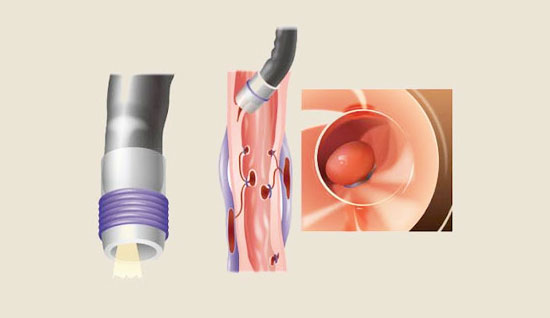
The procedure is performed during an upper endoscopy, where a flexible endoscope is passed through the mouth into the esophagus. Small elastic bands are placed around the swollen veins to block blood flow to the varices. This causes the veins to shrink and eventually disappear, reducing the risk of bleeding.
Band ligation is considered a safe and effective method for both preventing and treating bleeding from esophageal varices.
Why Band Ligation of Varices is Performed
This procedure may be recommended for patients who have varices in the esophagus or are at risk of bleeding due to portal hypertension.
- Prevention of bleeding from esophageal varices
- Treatment of active bleeding from varices
- Management of portal hypertension complications
- Follow-up treatment for patients with liver cirrhosis
- Reducing the risk of recurrent variceal bleeding
Conditions That May Require Band Ligation
Band ligation is commonly used in the management of conditions that cause increased pressure in the portal venous system.
- Liver cirrhosis
- Portal hypertension
- Esophageal varices
- Previous variceal bleeding
- Advanced chronic liver disease
What to Expect During the Procedure
Band ligation of varices is usually performed as a short endoscopic procedure and may take around 15 to 30 minutes.
- The patient is asked to fast for several hours before the procedure.
- Mild sedation is usually given to ensure comfort.
- An endoscope is gently passed through the mouth into the esophagus.
- Small rubber bands are placed around the enlarged veins.
- The bands cut off blood supply to the varices, causing them to shrink.
Patients are typically monitored for a short period after the procedure and may be able to return home the same day.
Benefits of Band Ligation of Varices
This procedure offers several important benefits in the management of esophageal varices.
- Helps prevent life-threatening bleeding
- Effectively treats existing varices
- Minimally invasive endoscopic treatment
- Reduces the risk of recurrent bleeding
- Safe and widely used procedure
When to Seek Medical Advice
Medical evaluation is important if symptoms suggest complications related to liver disease or varices.
- Vomiting blood
- Black or tarry stools
- Known liver disease with digestive symptoms
- Severe weakness or dizziness
- Signs of portal hypertension
Early detection and timely treatment of esophageal varices can significantly reduce the risk of severe bleeding and improve patient outcomes.