PEG Tube Insertion
PEG (Percutaneous Endoscopic Gastrostomy) Tube Insertion is a medical procedure used to provide long-term nutritional support for patients who are unable to eat or swallow food safely. The procedure involves placing a feeding tube directly into the stomach through the abdominal wall using endoscopic guidance.
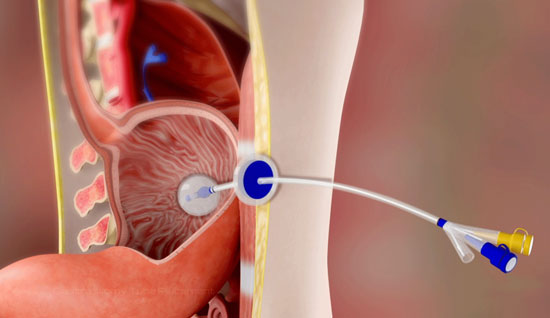
This feeding tube allows patients to receive essential nutrition, fluids, and medications directly into the stomach when oral intake is not possible or adequate. PEG tube placement is commonly recommended for patients with neurological disorders, swallowing difficulties, or certain medical conditions that affect the ability to consume food normally.
The procedure is minimally invasive and is typically performed using an endoscope to ensure accurate and safe placement of the feeding tube.
Why PEG Tube Insertion is Performed
PEG tube insertion is recommended when patients cannot maintain adequate nutrition through normal eating.
- Long-term nutritional support
- Difficulty swallowing (dysphagia)
- Neurological conditions affecting swallowing
- Severe malnutrition due to medical illness
- Support during recovery from serious illness or surgery
Conditions That May Require PEG Tube Placement
PEG tubes may be recommended for patients with conditions that interfere with safe swallowing or adequate food intake.
- Stroke or neurological disorders
- Severe swallowing disorders
- Head and neck cancers affecting swallowing
- Chronic neurological diseases
- Prolonged inability to consume adequate nutrition
What to Expect During the Procedure
PEG tube insertion is generally a short procedure and is performed under endoscopic guidance.
- The patient is asked to fast before the procedure.
- Mild sedation and local anesthesia are provided.
- An endoscope is inserted through the mouth into the stomach.
- A small incision is made in the abdominal wall.
- The feeding tube is placed directly into the stomach through the incision.
After placement, the tube is secured and patients or caregivers are instructed on how to manage and care for the feeding tube.
Benefits of PEG Tube Insertion
This procedure provides several advantages for patients requiring long-term nutritional support.
- Provides reliable long-term nutrition
- Helps maintain hydration and medication delivery
- Minimally invasive compared to surgical feeding tubes
- Improves overall nutritional status
- Enhances quality of life for patients unable to swallow
When to Seek Medical Advice
Medical consultation is important if symptoms suggest difficulty maintaining proper nutrition.
- Persistent difficulty swallowing
- Unintentional weight loss
- Inability to consume adequate food or fluids
- Frequent choking while eating
- Medical conditions affecting swallowing
Early nutritional support through PEG tube insertion can help prevent complications related to malnutrition and support recovery in patients with serious medical conditions.