Chronic Loose Motions
Chronic loose motions refer to frequent passage of loose or watery stools that persist for several weeks. While occasional diarrhea may occur due to infections or dietary changes, chronic loose motions may indicate an underlying digestive disorder that requires proper medical evaluation.
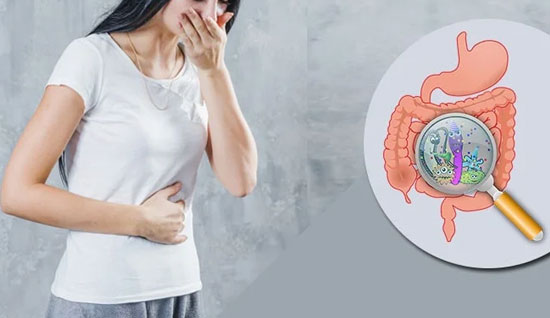
Persistent diarrhea can affect daily life and may lead to dehydration, weakness, and nutritional deficiencies if not treated appropriately. Early diagnosis helps identify the cause and ensures effective management.
What Causes Chronic Loose Motions?
Chronic loose motions may result from a variety of digestive conditions affecting the intestines. Identifying the exact cause is important for proper treatment.
Common causes include:
- Intestinal infections
- Food intolerances
- Irritable bowel syndrome
- Inflammatory bowel diseases
- Malabsorption disorders
- Certain medications
- Long-term digestive inflammation
Common Symptoms
Chronic loose motions may be associated with several symptoms depending on the underlying cause.
- Frequent loose or watery stools
- Abdominal cramps or discomfort
- Bloating and gas
- Urgent need for bowel movements
- Fatigue or weakness
- Unintentional weight loss
If these symptoms persist for a long duration, medical consultation is recommended.
Diagnosis
A detailed medical assessment helps determine the cause of chronic loose motions. Diagnostic evaluation may include:
- Clinical examination and medical history review
- Stool tests to detect infections or inflammation
- Blood tests to evaluate overall health
- Colonoscopy or endoscopic tests if required
These investigations help identify underlying digestive disorders and guide the most suitable treatment.
Treatment Options
Treatment for chronic loose motions focuses on addressing the underlying cause and restoring normal digestive function. Management may include:
- Medications to control diarrhea
- Treatment for infections or inflammation
- Dietary adjustments
- Probiotics to improve gut health
- Management of underlying digestive conditions
Lifestyle and Dietary Measures
Simple dietary and lifestyle changes can help improve digestive health and reduce symptoms:
- Stay well hydrated
- Eat easily digestible foods
- Avoid contaminated or unhygienic food
- Limit spicy and oily foods
- Maintain proper hand hygiene
- Follow regular meal timings
When to Seek Medical Advice
Persistent loose motions should not be ignored. Medical consultation is recommended if you experience:
- Diarrhea lasting for several weeks
- Signs of dehydration
- Blood or mucus in stools
- Severe abdominal pain
- Unexplained weight loss
Timely diagnosis and appropriate treatment can help prevent complications and restore normal digestive function.
With proper medical care and dietary management, chronic loose motions can be effectively treated, helping patients regain comfort and maintain better digestive health.