Piles (Hemorrhoids)
Piles, also known as hemorrhoids, are swollen and inflamed veins in the rectum or around the anus. They are a common condition that can cause discomfort, pain, itching, and bleeding during bowel movements. Piles can occur due to increased pressure in the lower rectum and may affect people of all ages.
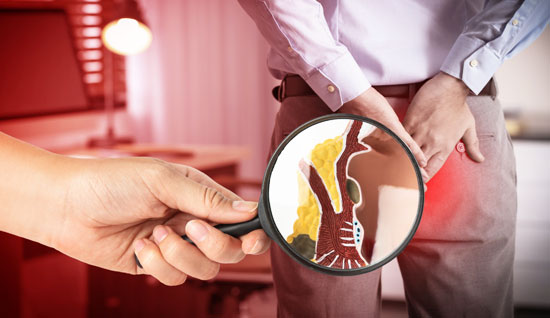
Although piles can be uncomfortable, they are usually manageable with proper medical care, lifestyle changes, and dietary adjustments. Early treatment can help relieve symptoms and prevent complications.
Types of Piles
Piles are generally classified based on their location:
- Internal Piles: Located inside the rectum and usually painless but may cause bleeding.
- External Piles: Develop under the skin around the anus and may cause pain, swelling, and irritation.
Common Symptoms
The symptoms of piles may vary depending on the type and severity of the condition.
- Bleeding during bowel movements
- Itching or irritation around the anus
- Pain or discomfort in the anal region
- Swelling around the anus
- Lump near the anus
- Difficulty sitting comfortably
If symptoms persist or worsen, medical evaluation is recommended.
Common Causes
Piles often develop due to increased pressure on the veins in the rectal area.
- Chronic constipation
- Straining during bowel movements
- Low-fiber diet
- Prolonged sitting
- Pregnancy
- Obesity
Diagnosis
Diagnosis of piles involves clinical examination and, if required, additional tests to rule out other conditions.
- Physical examination of the anal region
- Digital rectal examination
- Proctoscopy or sigmoidoscopy if further evaluation is needed
These evaluations help determine the severity of piles and guide the appropriate treatment plan.
Treatment Options
Treatment for piles depends on the severity of symptoms and may include both non-surgical and medical management.
- Medications to reduce pain and inflammation
- Stool softeners to ease bowel movements
- Dietary and lifestyle modifications
- Minimally invasive procedures in selected cases
- Regular follow-up for symptom management
Prevention and Lifestyle Tips
Healthy habits can help prevent piles and reduce the risk of recurrence.
- Increase fiber intake through fruits and vegetables
- Drink adequate water daily
- Avoid prolonged sitting or straining
- Exercise regularly
- Maintain healthy bowel habits
When to Seek Medical Advice
Medical consultation is recommended if symptoms persist or worsen.
- Persistent bleeding during bowel movements
- Severe pain in the anal region
- Swelling or lump around the anus
- Difficulty passing stools
Early medical evaluation can help identify the condition and ensure proper treatment, providing relief from symptoms and preventing complications.