Acid Reflux
Acid reflux is a common digestive condition that occurs when stomach acid flows back into the food pipe (esophagus). This backflow of acid can irritate the lining of the esophagus and cause uncomfortable symptoms such as heartburn, chest discomfort, and a sour taste in the mouth. Occasional acid reflux can happen to anyone, especially after heavy meals or consuming spicy foods, but when it occurs frequently it may indicate a condition known as Gastroesophageal Reflux Disease (GERD).
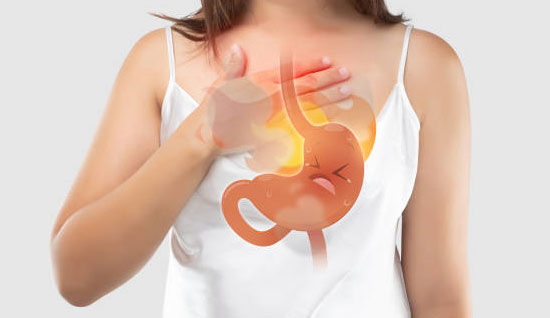
Early diagnosis and proper management are important to prevent long-term complications and improve quality of life.
What Causes Acid Reflux?
Acid reflux usually occurs when the lower esophageal sphincter (LES), a ring of muscle that acts as a valve between the stomach and esophagus, becomes weak or relaxes at the wrong time. When this happens, stomach acid can move upward into the esophagus.
Several factors may increase the risk of acid reflux, including:
- Eating large or heavy meals
- Consuming spicy, oily, or acidic foods
- Excessive intake of tea, coffee, or carbonated drinks
- Smoking and alcohol consumption
- Being overweight or obese
- Eating late at night or lying down immediately after meals
- Stress and irregular eating habits
Common Symptoms of Acid Reflux
Symptoms may vary from person to person, but some of the most common signs include:
- Burning sensation in the chest (heartburn)
- Sour or bitter taste in the mouth
- Bloating and frequent burping
- Nausea or vomiting
- Difficulty swallowing
- Persistent cough or throat irritation
- Feeling of food coming back into the throat
If these symptoms occur frequently or interfere with daily life, medical evaluation is recommended.
Diagnosis
A detailed medical evaluation helps identify the cause and severity of acid reflux. Depending on the symptoms, diagnostic tests may include:
- Upper GI Endoscopy to examine the esophagus and stomach lining
- pH monitoring to measure acid levels in the esophagus
- Imaging tests if required to assess digestive health
These investigations help determine whether the symptoms are due to simple acidity or GERD.
Treatment Options
Treatment for acid reflux focuses on reducing acid production, improving digestion, and preventing damage to the esophagus. Management may include:
- Medications to reduce stomach acid
- Medicines that help improve stomach emptying
- Dietary modifications
- Lifestyle changes to control symptoms
- Regular follow-up for long-term management in chronic cases
Lifestyle Changes That Help Control Acid Reflux
Making simple lifestyle adjustments can significantly reduce symptoms and improve digestive health:
- Eat smaller and more frequent meals
- Avoid spicy, oily, and very acidic foods
- Limit caffeine and carbonated beverages
- Maintain a healthy body weight
- Avoid lying down immediately after meals
- Elevate the head while sleeping if nighttime symptoms occur
- Manage stress through regular exercise and relaxation techniques
When to Seek Medical Advice
While occasional acidity is common, frequent or severe symptoms should not be ignored. Medical consultation is important if you experience:
- Persistent heartburn
- Difficulty swallowing
- Unexplained weight loss
- Vomiting or blood in vomit
- Long-lasting chest discomfort
Early evaluation and proper treatment can prevent complications such as esophagitis, ulcers, or narrowing of the food pipe.
With the right medical care, dietary guidance, and lifestyle changes, acid reflux can be effectively managed, allowing patients to lead a comfortable and healthy life.