Liver Diseases
Liver diseases refer to a range of conditions that affect the normal functioning of the liver. The liver plays a vital role in the body by filtering toxins, processing nutrients, producing important proteins, and aiding digestion. When the liver becomes damaged or inflamed, it may affect several body functions and overall health.
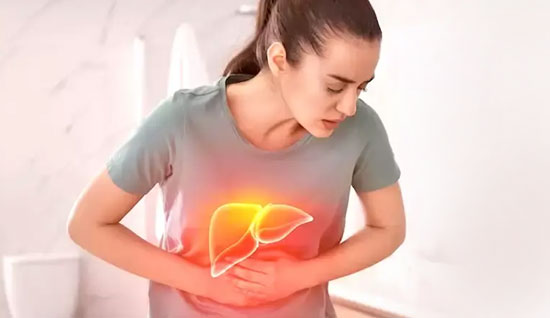
Liver disease can develop gradually and may not cause noticeable symptoms in the early stages. However, early detection and appropriate treatment can help manage the condition effectively and prevent long-term complications.
Common Types of Liver Diseases
There are several conditions that can affect liver health, including:
- Fatty liver disease
- Viral hepatitis (Hepatitis A, B, C)
- Liver inflammation or hepatitis
- Alcohol-related liver disease
- Liver cirrhosis
- Liver infections or abscess
Common Symptoms
Symptoms of liver diseases may vary depending on the type and severity of the condition.
- Fatigue or weakness
- Loss of appetite
- Nausea or vomiting
- Abdominal pain or discomfort
- Yellowing of the skin and eyes (jaundice)
- Dark urine or pale stools
- Unexplained weight loss
Some individuals may remain symptom-free in the early stages, making regular health check-ups important.
Causes of Liver Diseases
Various factors can contribute to liver damage or dysfunction.
- Viral infections affecting the liver
- Excessive alcohol consumption
- Obesity and metabolic disorders
- Exposure to toxins or certain medications
- Autoimmune conditions affecting the liver
- Genetic or inherited liver conditions
Diagnosis
Diagnosing liver diseases involves a combination of clinical evaluation and diagnostic tests.
- Medical history and physical examination
- Blood tests to assess liver function
- Ultrasound or imaging tests of the liver
- Specialized tests depending on the suspected condition
These investigations help determine the cause and severity of liver disease.
Treatment Options
Treatment depends on the type and stage of liver disease. The goal is to manage symptoms, treat the underlying cause, and prevent further liver damage.
- Medications to treat infections or inflammation
- Management of metabolic conditions
- Lifestyle and dietary changes
- Regular monitoring of liver health
- Advanced treatment in severe cases
Lifestyle Tips for Liver Health
Maintaining healthy habits can help support liver function and reduce the risk of liver diseases.
- Maintain a balanced and nutritious diet
- Limit alcohol consumption
- Maintain a healthy body weight
- Exercise regularly
- Avoid unnecessary medications or toxins
- Follow regular medical check-ups
When to Seek Medical Advice
Medical consultation is recommended if symptoms suggest possible liver disease.
- Persistent fatigue or weakness
- Yellowing of skin or eyes
- Unexplained abdominal discomfort
- Dark urine or pale stools
- Unexplained weight loss
Early diagnosis and proper management can help prevent complications and maintain healthy liver function.