Constipation
Constipation is a common digestive problem characterized by infrequent bowel movements, difficulty passing stools, or a feeling of incomplete bowel evacuation. It can affect people of all ages and may occur occasionally or become a chronic condition if it persists for a long period.
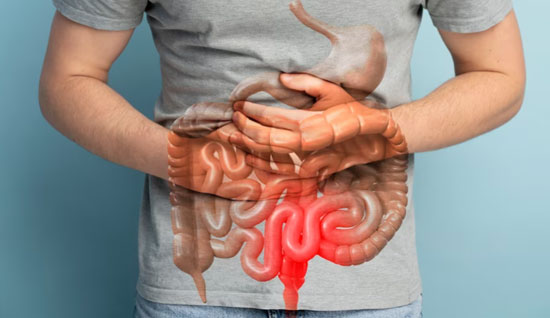
While mild constipation is often related to lifestyle habits or diet, persistent constipation may indicate an underlying digestive issue that requires proper medical evaluation and treatment.
What Causes Constipation?
Constipation usually occurs when stool moves slowly through the digestive tract, making it hard and difficult to pass. Several lifestyle and dietary factors can contribute to this condition.
Common causes include:
- Low fiber intake
- Insufficient water consumption
- Lack of physical activity
- Irregular eating habits
- Ignoring the urge to pass stool
- Certain medications
- Underlying digestive disorders
Common Symptoms of Constipation
The symptoms of constipation can vary in severity and may include:
- Fewer than three bowel movements per week
- Hard or dry stools
- Straining during bowel movements
- Feeling of incomplete bowel evacuation
- Abdominal discomfort or bloating
- Loss of appetite
If constipation becomes frequent or severe, medical consultation is recommended.
Diagnosis
A proper medical evaluation helps determine the cause of constipation and rule out underlying digestive conditions. Diagnosis may include:
- Medical history and clinical examination
- Blood tests if necessary
- Imaging tests to evaluate digestive health
- Colonoscopy in selected cases
These investigations help identify the cause and guide the most suitable treatment plan.
Treatment Options
Treatment for constipation focuses on improving bowel movements and addressing the underlying cause.
- Medications to soften stools
- Fiber supplements
- Dietary modifications
- Treatment for underlying digestive disorders
- Guidance on healthy bowel habits
Lifestyle Changes to Prevent Constipation
Simple lifestyle changes can help improve bowel regularity and prevent constipation:
- Eat a fiber-rich diet including fruits and vegetables
- Drink adequate water throughout the day
- Exercise regularly
- Maintain regular meal timings
- Do not ignore the urge to pass stool
- Develop healthy bowel habits
When to Seek Medical Advice
Although constipation is common, persistent symptoms should not be ignored. Medical consultation is recommended if you experience:
- Constipation lasting for several weeks
- Severe abdominal pain
- Blood in stools
- Unexplained weight loss
- Sudden change in bowel habits
Timely diagnosis and appropriate treatment can help prevent complications and improve digestive health.
With proper medical guidance, dietary adjustments, and healthy lifestyle practices, constipation can be effectively managed and bowel movements can become more regular and comfortable.