Blood in Stools
Blood in stools can be a concerning symptom and should not be ignored. It may appear as bright red blood on toilet paper, mixed with stool, or as dark or black-colored stools. The presence of blood in stools can occur due to various conditions affecting the digestive tract.
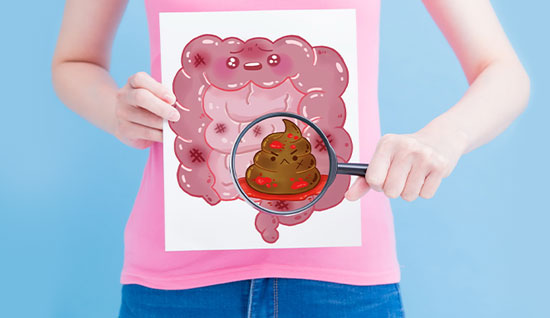
While some causes may be minor, such as small tears in the anal region, others may require prompt medical attention. Early diagnosis and proper evaluation help identify the underlying cause and ensure timely treatment.
Common Causes of Blood in Stools
Blood in stools may result from several digestive conditions affecting different parts of the gastrointestinal tract.
Some of the common causes include:
- Hemorrhoids (piles)
- Anal fissures
- Inflammation of the intestines
- Colon or rectal polyps
- Gastrointestinal infections
- Inflammatory bowel diseases
- Colorectal disorders
Symptoms That May Accompany Blood in Stools
The presence of blood in stools may be associated with other digestive symptoms depending on the underlying condition.
- Pain during bowel movements
- Abdominal pain or cramps
- Diarrhea or constipation
- Fatigue or weakness
- Changes in bowel habits
- Dark or tarry stools
If these symptoms occur repeatedly, medical evaluation is important to determine the cause.
Diagnosis
A detailed medical assessment helps identify the source of bleeding and determine the appropriate treatment. Diagnostic evaluation may include:
- Clinical examination and medical history review
- Blood tests to check for anemia or infection
- Stool tests to detect hidden blood or infection
- Colonoscopy or sigmoidoscopy to examine the colon and rectum
These investigations help identify the cause and guide the most appropriate treatment plan.
Treatment Options
The treatment for blood in stools depends on the underlying cause. Management may include:
- Medications to treat inflammation or infection
- Dietary and lifestyle modifications
- Treatment for hemorrhoids or fissures
- Endoscopic procedures when necessary
- Management of underlying gastrointestinal conditions
Preventive Measures
Maintaining healthy digestive habits can help reduce the risk of conditions that may lead to bleeding in stools:
- Consume a balanced, fiber-rich diet
- Drink adequate water daily
- Avoid straining during bowel movements
- Maintain regular bowel habits
- Exercise regularly to support digestive health
When to Seek Medical Advice
Medical attention should be sought if you notice blood in stools, especially if it occurs repeatedly or is accompanied by other symptoms.
- Persistent or recurring bleeding
- Severe abdominal pain
- Unexplained weight loss
- Weakness or fatigue
- Dark or black stools
Timely diagnosis and appropriate treatment can help address the underlying cause and prevent complications.
If you notice blood in your stools, it is important not to ignore the symptom. Early consultation and proper evaluation can help ensure effective management and better digestive health.