Heartburn
Heartburn is a common digestive condition characterized by a burning sensation in the chest, usually occurring after eating or when lying down. It happens when stomach acid flows back into the esophagus, the tube that connects the mouth to the stomach. While occasional heartburn is common, frequent episodes may indicate an underlying digestive issue that requires medical attention.
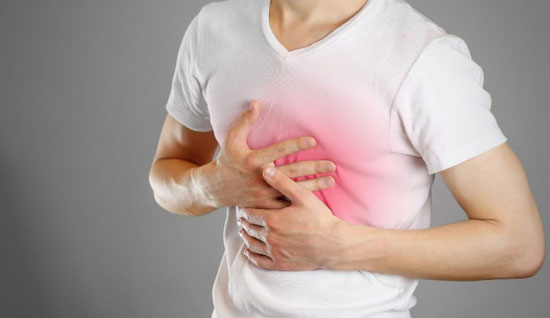
Many people experience heartburn due to dietary habits, lifestyle factors, or certain medical conditions. With proper evaluation and treatment, heartburn can be effectively managed to improve digestive comfort and overall quality of life.
Common Causes of Heartburn
Heartburn can occur due to several factors that increase acid reflux or irritate the digestive tract.
Common causes include:
- Acid reflux or gastroesophageal reflux disease (GERD)
- Eating heavy or spicy meals
- Consumption of fatty or fried foods
- Excess intake of caffeine or carbonated drinks
- Smoking or alcohol consumption
- Overeating or eating late at night
- Obesity or increased abdominal pressure
Symptoms of Heartburn
Heartburn symptoms may vary from mild discomfort to persistent burning sensations in the chest.
- Burning sensation in the chest
- Sour or bitter taste in the mouth
- Regurgitation of food or acid
- Difficulty swallowing
- Chest discomfort after meals
- Symptoms worsening when lying down
If heartburn occurs frequently or interferes with daily activities, medical evaluation may be necessary.
Diagnosis
A proper diagnosis helps determine the cause of persistent heartburn and guides effective treatment.
- Clinical evaluation and review of symptoms
- Upper GI endoscopy to examine the esophagus and stomach
- Acid reflux assessment when required
- Additional tests depending on the patient's condition
These tests help identify conditions such as acid reflux disease or inflammation of the esophagus.
Treatment Options
Treatment for heartburn focuses on reducing acid production and preventing acid reflux.
- Medications to reduce stomach acid
- Medications that improve digestive motility
- Dietary modifications
- Management of acid reflux or GERD
- Regular monitoring if symptoms persist
Lifestyle Changes to Prevent Heartburn
Adopting certain lifestyle habits can significantly reduce heartburn episodes.
- Avoid overeating and large meals
- Limit spicy, fatty, and acidic foods
- Avoid lying down immediately after meals
- Maintain a healthy body weight
- Reduce caffeine and carbonated drinks
- Quit smoking and limit alcohol intake
When to Seek Medical Advice
Medical consultation is recommended if heartburn occurs frequently or is associated with other symptoms.
- Persistent or severe heartburn
- Difficulty swallowing
- Unexplained weight loss
- Chest pain or severe discomfort
- Heartburn not improving with medication
Early diagnosis and appropriate treatment can help control heartburn effectively and prevent complications related to chronic acid reflux.