Inflammatory Bowel Diseases
Inflammatory Bowel Diseases (IBD) refer to a group of chronic conditions that cause inflammation in the digestive tract. The two most common forms of IBD are Crohn’s disease and ulcerative colitis. These conditions can affect different parts of the gastrointestinal tract and may lead to recurring digestive symptoms.
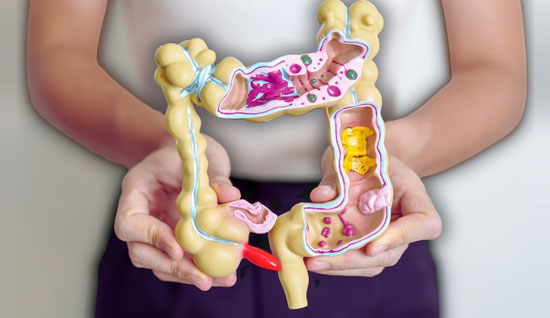
IBD is a long-term condition that may involve periods of flare-ups and remission. With proper medical care, early diagnosis, and ongoing management, many individuals with IBD can effectively control symptoms and maintain a good quality of life.
Types of Inflammatory Bowel Diseases
The two primary types of IBD include:
- Crohn’s Disease: Can affect any part of the digestive tract, from the mouth to the anus, and often involves deeper layers of the intestinal wall.
- Ulcerative Colitis: Primarily affects the colon and rectum, causing inflammation and ulcers in the inner lining of the large intestine.
Common Symptoms
The symptoms of inflammatory bowel diseases can vary depending on the severity and location of inflammation.
- Persistent diarrhea
- Abdominal pain or cramping
- Blood in stools
- Unexplained weight loss
- Fatigue and weakness
- Loss of appetite
Symptoms may occur in episodes and may worsen during flare-ups.
Possible Causes
The exact cause of IBD is not fully understood, but several factors may contribute to the development of these conditions.
- Abnormal immune system response
- Genetic predisposition
- Environmental factors
- Changes in gut bacteria
- Dietary and lifestyle influences
Diagnosis
Diagnosing inflammatory bowel diseases requires careful medical evaluation and appropriate investigations.
- Medical history and clinical examination
- Blood tests to check for inflammation or anemia
- Stool tests to rule out infections
- Colonoscopy to examine the colon and rectum
- Imaging tests such as CT scan or MRI when needed
These tests help determine the type and severity of the disease.
Treatment Options
Treatment for IBD focuses on reducing inflammation, controlling symptoms, and preventing complications.
- Medications to control inflammation
- Immune-modulating therapies
- Nutritional support and dietary guidance
- Regular monitoring and follow-up care
- Surgical treatment in severe cases
Lifestyle and Dietary Management
Healthy lifestyle habits and dietary adjustments can help manage symptoms and improve overall digestive health.
- Maintaining a balanced and nutritious diet
- Avoiding foods that trigger symptoms
- Managing stress effectively
- Staying well hydrated
- Following regular medical advice and monitoring
When to Seek Medical Advice
Medical consultation is recommended if symptoms suggest persistent digestive inflammation.
- Persistent diarrhea lasting several weeks
- Blood in stools
- Severe abdominal pain
- Unexplained weight loss
- Ongoing fatigue and weakness
Early diagnosis and appropriate management can help control inflammatory bowel diseases effectively and reduce the risk of long-term complications.