Polypectomy
Polypectomy is an endoscopic procedure used to remove abnormal growths called polyps from the inner lining of the gastrointestinal tract, most commonly from the colon or stomach. Polyps are usually non-cancerous, but some types may develop into cancer over time if left untreated.
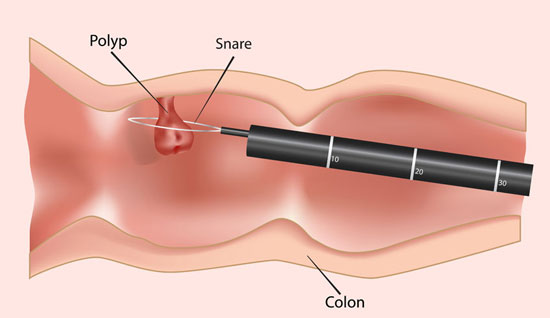
This procedure is typically performed during a colonoscopy or upper GI endoscopy. Using specialized instruments passed through the endoscope, the polyp is carefully removed and may be sent to a laboratory for further examination.
Removing polyps early is an important preventive step in reducing the risk of gastrointestinal cancers, particularly colorectal cancer.
Why Polypectomy is Performed
Polypectomy is recommended when polyps are detected during endoscopic examination of the digestive tract.
- Removal of colon polyps
- Prevention of colorectal cancer
- Evaluation of abnormal tissue growth
- Treatment of polyps found during colonoscopy
- Diagnosis of suspicious lesions
Types of Polyps That Can Be Removed
Polypectomy can be used to remove various types of polyps found in the gastrointestinal tract.
- Adenomatous polyps (precancerous polyps)
- Hyperplastic polyps
- Inflammatory polyps
- Sessile or flat polyps
- Pedunculated polyps (polyps with a stalk)
What to Expect During the Procedure
Polypectomy is performed during an endoscopic procedure and usually takes a short time depending on the number and size of polyps.
- The patient may need bowel preparation before colonoscopy.
- Mild sedation is provided for comfort.
- An endoscope is inserted into the digestive tract.
- Special instruments are used to remove the polyps.
- The removed tissue may be sent for laboratory analysis.
Most patients are able to return home the same day after the procedure.
Benefits of Polypectomy
Polypectomy provides several important benefits in the prevention and management of gastrointestinal diseases.
- Helps prevent colorectal cancer
- Removes abnormal growths safely
- Minimally invasive treatment
- Allows early diagnosis through tissue analysis
- Reduces the need for major surgery
When to Seek Medical Advice
Consultation with a doctor is recommended if symptoms suggest abnormalities in the digestive tract.
- Blood in stools
- Persistent change in bowel habits
- Unexplained abdominal discomfort
- Family history of colorectal cancer
- Positive screening test for colon polyps
Early detection and removal of polyps through polypectomy plays a crucial role in maintaining digestive health and preventing serious gastrointestinal diseases.