Managing IBD: Crohn’s & Ulcerative Colitis
Inflammatory Bowel Disease (IBD) refers to chronic conditions that cause inflammation in the digestive tract. The two main types of IBD are Crohn’s disease and Ulcerative Colitis. These conditions can affect daily life by causing persistent digestive symptoms, discomfort, and complications if left untreated.
With proper medical care, lifestyle changes, and regular monitoring, patients with IBD can effectively manage their condition and maintain a good quality of life.
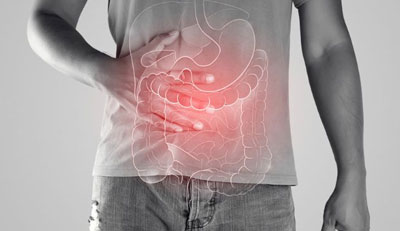
What is Inflammatory Bowel Disease?
IBD is a long-term condition that causes inflammation in different parts of the digestive tract. It can lead to symptoms such as abdominal pain, diarrhea, fatigue, and weight loss. The exact cause of IBD is not fully understood but may involve immune system abnormalities, genetics, and environmental factors.
Types of IBD
- Crohn’s Disease: Can affect any part of the digestive tract from the mouth to the anus and often involves deeper layers of the intestinal wall.
- Ulcerative Colitis: Primarily affects the colon and rectum, causing inflammation and ulcers in the lining of the large intestine.
Common Symptoms
Symptoms of IBD may vary from mild to severe and can include:
- Persistent diarrhea
- Abdominal pain and cramping
- Blood in stools
- Fatigue and weakness
- Loss of appetite
- Unexplained weight loss
Diagnosis
IBD is diagnosed using a combination of medical history, physical examination, and diagnostic tests such as:
- Blood tests
- Stool examination
- Colonoscopy or sigmoidoscopy
- Imaging tests such as CT scan or MRI
Treatment and Management
Although there is no permanent cure for IBD, the condition can be effectively managed with appropriate treatment and lifestyle modifications.
- Anti-inflammatory medications
- Immune system suppressors
- Dietary modifications
- Stress management
- Regular follow-up with a gastroenterologist
Tips for Living with IBD
Managing IBD involves making certain lifestyle adjustments to reduce flare-ups and maintain digestive health:
- Follow a balanced and gut-friendly diet
- Avoid trigger foods
- Stay hydrated
- Exercise regularly
- Manage stress effectively
When to Consult a Specialist
If you experience persistent digestive symptoms such as chronic diarrhea, abdominal pain, or blood in stools, it is important to consult a gastroenterologist for proper evaluation.
Early diagnosis and timely treatment can help control inflammation, prevent complications, and significantly improve quality of life for individuals living with IBD.