When Do You Need an Endoscopy?
Endoscopy is a commonly performed medical procedure used to examine the digestive tract and identify various gastrointestinal conditions. It allows doctors to closely evaluate the esophagus, stomach, and upper part of the small intestine using a thin flexible tube with a camera attached to it.
This procedure helps detect problems early and allows doctors to diagnose and treat digestive disorders effectively. Early investigation through endoscopy can help prevent serious complications and ensure timely treatment.
What is Endoscopy?
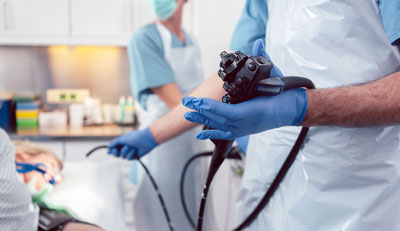
Upper gastrointestinal endoscopy, also called Upper GI Endoscopy or OGDscopy, is a minimally invasive procedure that allows doctors to visually examine the lining of the digestive tract.
The procedure uses a flexible tube called an endoscope which contains a small camera and light. This helps the doctor view detailed images of the digestive organs and detect abnormalities.
When is Endoscopy Recommended?
Your doctor may recommend an endoscopy if you experience persistent digestive symptoms such as:
- Persistent acidity or acid reflux
- Difficulty in swallowing
- Chronic abdominal pain
- Frequent vomiting or nausea
- Blood in vomit or stools
- Unexplained weight loss
- Chronic indigestion or bloating
Conditions Diagnosed with Endoscopy
Endoscopy helps diagnose several gastrointestinal conditions including:
- Acid reflux disease (GERD)
- Gastritis or stomach inflammation
- Peptic ulcers
- Esophageal disorders
- Polyps or abnormal growths
- Gastrointestinal bleeding
- Early signs of cancer
Is Endoscopy Safe?
Endoscopy is considered a safe and routine procedure when performed by experienced specialists. It usually takes about 10 to 20 minutes and is often done under mild sedation to ensure patient comfort.
Most patients can return home the same day and resume normal activities shortly after the procedure.
Benefits of Early Endoscopy
Early investigation with endoscopy offers several advantages:
- Accurate diagnosis of digestive disorders
- Early detection of serious conditions
- Immediate treatment during the procedure in some cases
- Prevention of disease progression
When to Consult a Gastroenterologist
If you experience persistent digestive symptoms or unexplained gastrointestinal discomfort, it is important to consult a specialist. Timely evaluation and appropriate investigations can help identify the cause and ensure effective treatment.
Early diagnosis through procedures like endoscopy can play a vital role in maintaining long-term digestive health.