Fatty Liver: Causes, Symptoms & Treatment
Fatty liver disease is becoming increasingly common due to unhealthy lifestyle habits, poor diet, lack of exercise, and rising obesity rates. It occurs when excess fat accumulates in the liver cells, affecting the normal functioning of the liver. If not diagnosed and treated early, fatty liver may progress to serious conditions such as liver inflammation, fibrosis, cirrhosis, or even liver failure.
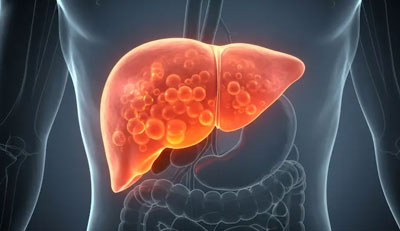
What is Fatty Liver?
Fatty liver, also known as hepatic steatosis, occurs when more than 5–10% of the liver's weight is made up of fat. There are two main types of fatty liver disease:
- Alcoholic Fatty Liver Disease (AFLD): Caused by excessive alcohol consumption.
- Alcoholic Fatty Liver Disease (AFLD): Caused by excessive alcohol consumption.
Common Causes
Several factors can contribute to the development of fatty liver, including:
- Obesity or being overweight
- High cholesterol and triglyceride levels
- Type 2 diabetes
- Excessive alcohol consumption
- Poor dietary habits
- Lack of physical activity
- Certain medications
Symptoms of Fatty Liver
In many cases, fatty liver does not cause noticeable symptoms in the early stages. However, as the condition progresses, some individuals may experience:
- Fatigue and weakness
- Discomfort or pain in the upper right abdomen
- Unexplained weight loss
- Loss of appetite
- Mild swelling in the abdomen
Diagnosis
Fatty liver is usually diagnosed through:
- Blood tests to check liver enzyme levels
- Ultrasound, CT scan, or MRI to detect fat accumulation in the liver
- Fibroscan to assess liver stiffness
- In rare cases, a liver biopsy may be required
Treatment and Management
The good news is that fatty liver disease can often be reversed in its early stages with lifestyle changes and proper medical guidance.
Key treatment approaches include:
- Maintaining a healthy weight
- Following a balanced and nutritious diet
- Regular physical activity
- Controlling diabetes and cholesterol levels
- Avoiding or limiting alcohol consumption
- Taking medications as prescribed by a doctor
Prevention Tips
Preventing fatty liver involves adopting healthy lifestyle habits such as:
- Eating more fruits, vegetables, and whole grains
- Reducing intake of processed and high-fat foods
- Exercising regularly
- Staying hydrated
- Getting regular health check-ups
When to See a Doctor
If you experience persistent digestive discomfort, abnormal liver test results, or symptoms related to liver problems, it is important to consult a gastroenterologist for proper evaluation and treatment.
Early diagnosis and timely management can help prevent complications and protect long-term liver health.