Best Gastroenetologist Doctor in Kopar Khairane
What is a gastroenterologist?
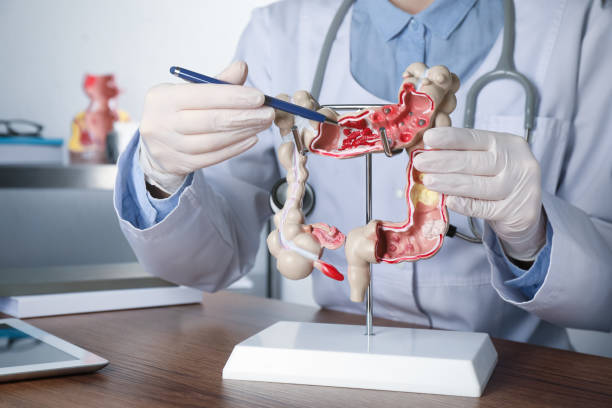
A physician who specializes in illnesses and disorders affecting the digestive organs and structures is known as a gastroenterologist.
Among these bodily parts are the:
A physician must finish a three-year internal medicine residency following medical school in order to become a gastroenterologist. After this residency, they will participate in a fellowship, which is two to three years of rigorous, specialized training.
Under the direction of the Best Gastroenterology Doctor in Kopar Khairane, gastroenterologists frequently collaborate closely with other medical specialists to treat a variety of patients, guaranteeing thorough care and improved patient outcomes.
A gastroenterologist could collaborate with:
Where Do Gastroenterologists Work?
Patients may be seen by gastroenterologists in an outpatient clinic or a hospital. They perform procedures like endoscopies and colonoscopies at both of these locations, but they are not surgeons.
You might be referred to a gastroenterologist by your family physician or primary care physician. Additionally, in order for your insurance to pay for your visit to the best gastroenterologist in Kopar Khairane, you may need a referral from that physician.
What conditions do gastroenterologists treat?
- People with ailments like these are diagnosed, treated, and managed by gastroenterologists.
- colon polyps
- colon cancer
- Celiac disease
- Hepatitis
- Gastric reflux disease (GERD) or heartburn.
- gallbladder illness
- IBS, or irritable bowel syndrome.
- Pancreatitis
Gastroenterologist Procedures
When you see a GI physician, you might require a nonsurgical procedure. Among the things they do are:
- Endoscopy is the process of looking inside the body with a device in places like the stomach or small intestines.
- Ultrasounds, which use sound or other vibrations to create medical imaging
- Colonoscopies, in which the colon is examined by inserting an instrument through the anus
- Liver biopsy to evaluate the liver's fibrosis, or thickening, and inflammation
- Examining your small intestine is called an enteroscopy.
- The best gastroenterology doctor in Kopar Khairane safely performs polypectomy, which is the removal of polyps during an endoscopy.
What to expect at the gastroenterologist
A gastroenterologist may be seen at a hospital, clinic, or private practice. Your regular doctor may need to refer you, depending on your insurance.
The gastroenterologist will examine you physically and inquire about your symptoms. The doctor will typically press down on the outside of your abdomen while you lie down on the table. They will listen for strange noises, feel for anything out of the ordinary, and ask you if it hurts.
They might refer you for additional testing or diagnostic procedures like an upper endoscopy or colonoscopy, which both use tiny cameras to give the best gastroenterology doctor in Kopar Khairane a close-up view of your digestive system. Your GI physician will go over your treatment options after making a diagnosis.
When they have an acute (sudden) problem, some people visit a gastroenterologist once or a few times. Others might have regular visits to treat long-term illnesses like inflammatory bowel disease.